
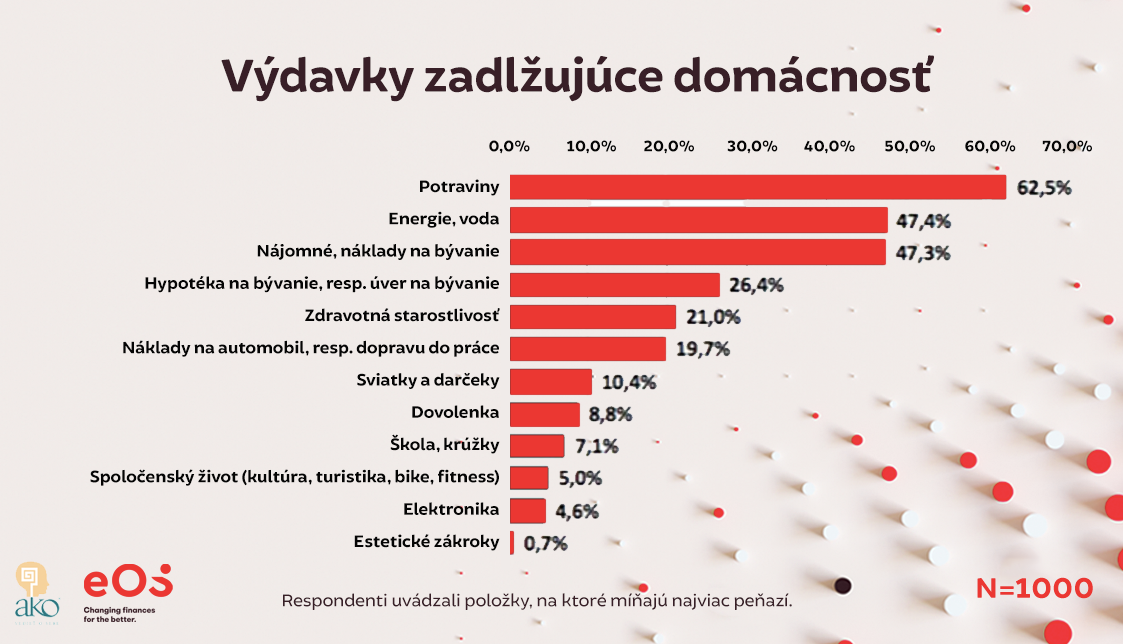
With the approaching holidays, many Slovak households face increased financial demands. The EOS KSI Slovakia survey confirms that up to 10.4 percent of Slovaks surveyed feel expenses for holidays and gifts as a burden.
Why Christmas Debt Is Risky
Experts warn that going into debt for holiday expenses is short-sighted and can have long-term negative consequences. Borrowing money for short-term needs can lead to years of repayment with high interest rates. This type of financing is particularly risky for lower-income households.
"Besides financial problems, debt can also increase stress and tension in family relationships, which can manifest in conflicts and deterioration of family life quality during the holidays," warns EOS KSI Slovakia specialist Peter Čanda, adding: "The pressure for general pre-Christmas spending is more a result of social expectations rather than a need for holiday experience."
Definition of Good and Bad Debt
If it's a long-term necessary investment in housing, investment in health or education, or purchasing a useful item with a long lifespan, it makes sense to borrow in such cases. This is called "good debt."
"Paying for a luxury vacation on credit, an expensive brand of motor vehicle, or the latest type of mobile phone are bad debts and don't make sense," warns EOS KSI Slovakia director Peter Dvornák. "The golden rule of financial literacy states that the repayment period should not exceed the lifespan of the item you're buying," he repeats.
Current Debt Figures for Slovaks
The EOS KSI Slovakia survey further showed that currently 23.9% of respondents admit to having a loan, and this group consists mainly of:
- People aged 34-49;
- Working people with higher incomes above 1,200 euros;
- Parents living with children in the household.
A third of respondents (35.3%) had a loan in the past but have already repaid it.
Another third of respondents (38.5%) never had a loan, and this group consists mainly of:
- Women;
- The youngest and oldest people;
- Residents of the Nitra region;
- People with low incomes up to 500 €.
"Compared to last year, the proportion of indebted respondents decreased by 6 percentage points," notes Václav Hřích, director of AKO Agency, highlighting a positive trend.
How to Enjoy Good Holidays
The foundation of financial stability is planning and building a financial reserve. "This means no spontaneous purchases. You should observe your loved ones throughout the year, find out what their wishes are, and prepare gradually from Christmas to Christmas. Then we won't spend a lot of money at once and avoid debt," recommends Andrea Slezáková, who focuses on financial literacy at EOS KSI Slovakia.
Another alternative is for multiple people to contribute to one gift. This puts less strain on an individual's budget, and the family can collectively work toward a valuable gift.
Financial experts also emphasize that the greatest advantage of holidays is the opportunity to be together with loved ones. "Shared moments with family and shared presence instead of buying expensive gifts will bring the same or higher value without additional costs," concludes Andrea Slezáková.

Explore more from EOS