Search

Are Slovaks planning for the future when managing their finances? According to a survey, only 13 percent of Slovaks reported having an emergency fund.

The New Year is an ideal time to get personal finances in order.

However, a survey by EOS KSI Slovakia showed that systematically preparing for the financial future is not yet standard practice.

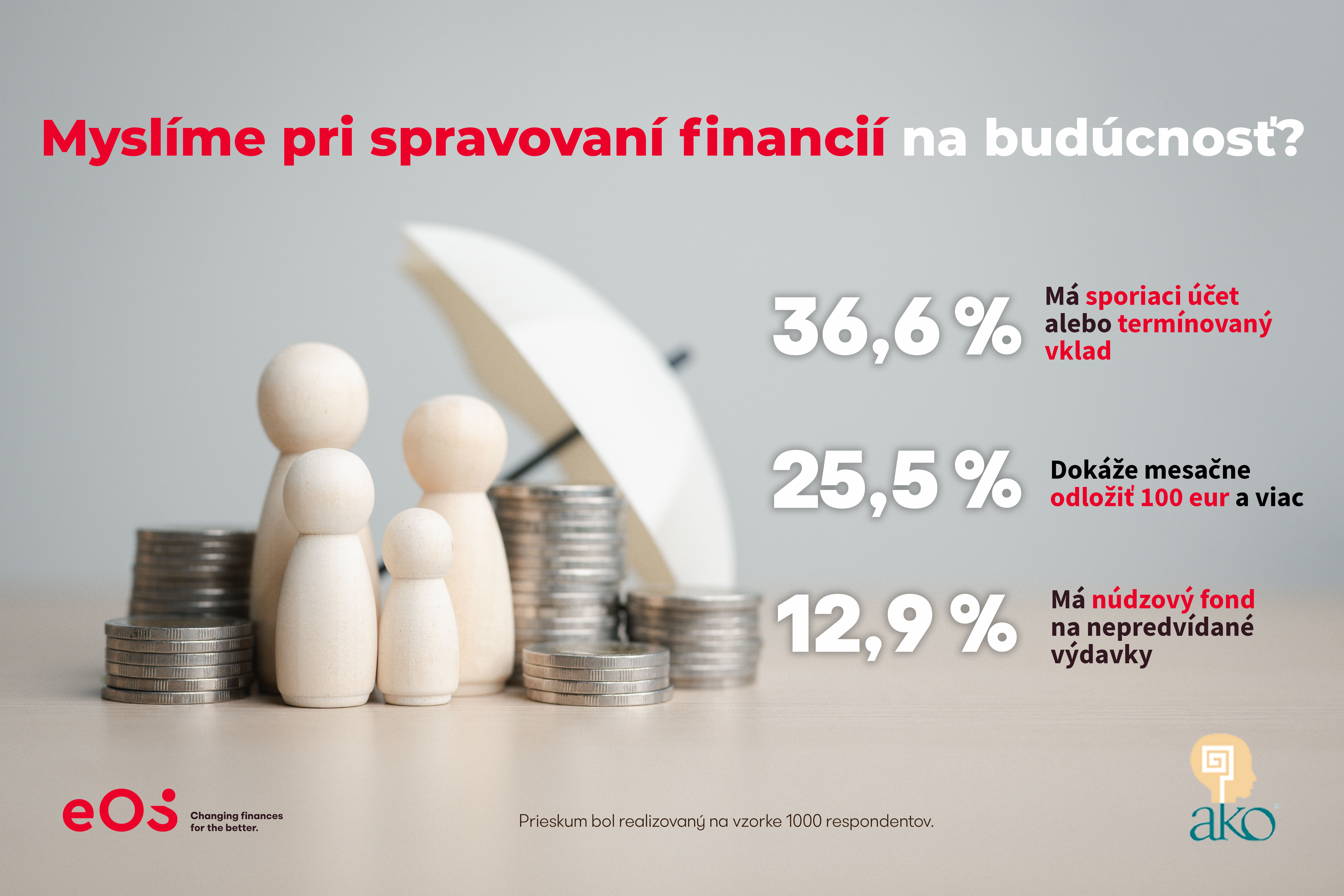
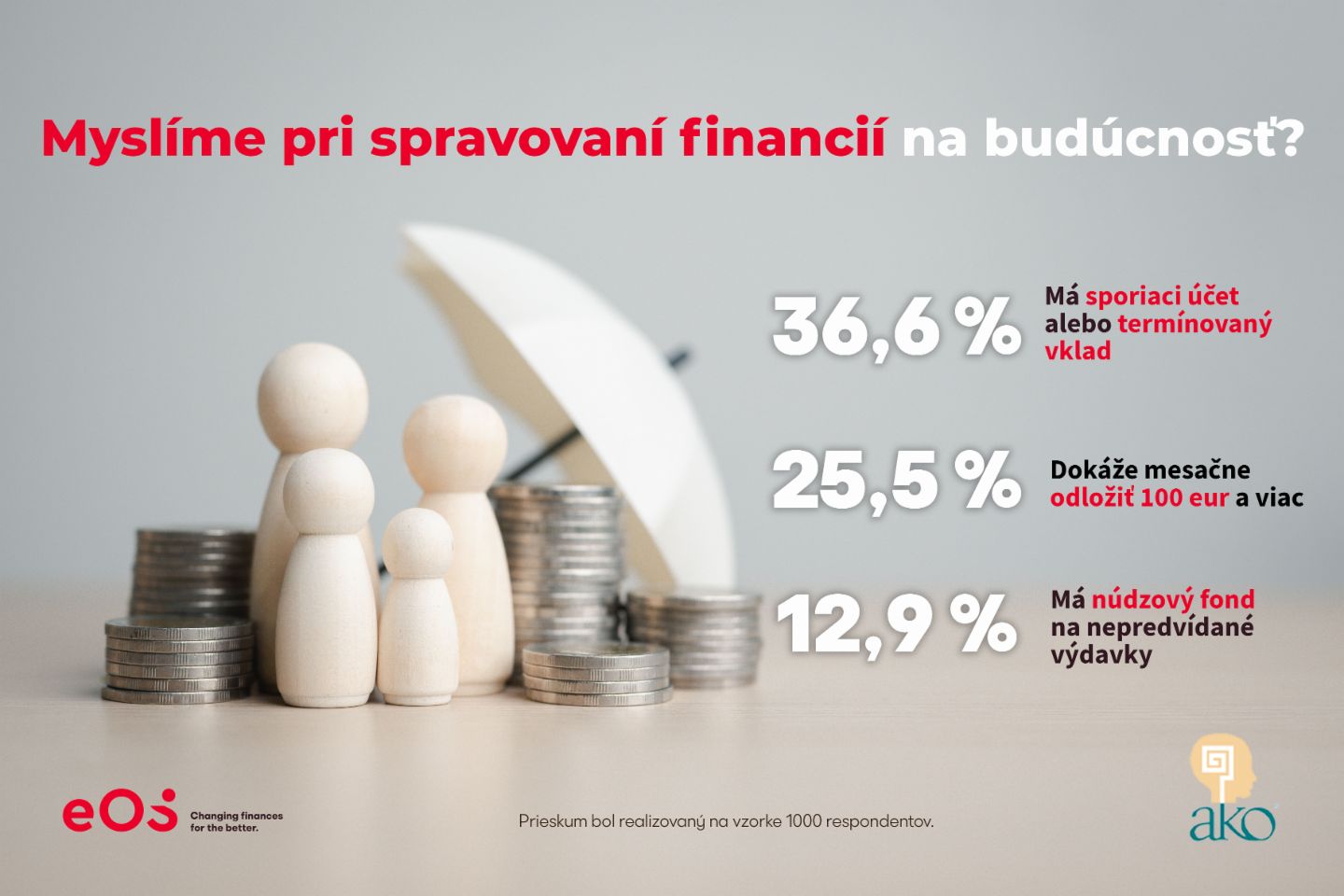
According to data collected in 2025, 36.6 percent of respondents stated that they have a savings account or a fixed deposit account. 31.8 percent of respondents said that they actively monitor and optimize their expenditures, and approximately a quarter (25.5%) are able to put aside €100 or more per month.

Conversely, only 12.9% of Slovaks confirmed having an emergency fund for unforeseen expenses, which experts consider one of the most significant issues concerning the financial stability of households.

"The survey indicates that most people are only taking one partial step – some are saving, others are tracking expenses, and still others have insurance. A comprehensive financial management system is lacking," notes Václav Hřích, director of the AKO agency, which conducted the survey.
Financial reserves as protection against debt

According to Peter Čanda, a specialist at EOS KSI Slovensko, a debt collection company, simply considering one's finances is a good start: "However, until we consciously analyze our income and expenses, we cannot speak of genuine financial responsibility. The absence of a financial cushion is often why people find themselves in debt when unexpected events occur."

The survey also reveals that a minority of the population uses investments or more sophisticated financial instruments – approximately 14% of respondents invest in stocks, bonds, or mutual funds.

Only 10.7% of respondents have a financial advisor, while professional advice can help establish a realistic and sustainable long-term plan.

The New Year as an opportunity for change

According to experts, the beginning of the year is an ideal time for a "financial reset." Peter Čanda from EOS KSI Slovensko explains: "We do not have to start with large sums. Even €20 a month is better than nothing. Regularity is key, as is avoiding dipping into these funds at every temptation."

Small but recurring expenses – such as service subscriptions, impulse buys, or unnecessary loans – often subtly undermine family budgets and increase the risk of indebtedness.

Practical advice for the start of 2026

EOS KSI Slovensko recommends entering the new year with a few simple steps:

  1. Review your income and expenses at least once every three months.
  2. Start building an emergency fund, even if it grows slowly.
  3. Save regularly, not sporadically.
  4. Avoid loans for unnecessary items and impulse purchases.
  5. If you need advice, consult a professional, not "internet advice."
  6. When taking out loans, prefer banks and verified, licensed entities.

"Financial responsibility is not about perfection but about a long-term approach. The New Year can be the first step toward gaining more control over our finances – and reducing stress in the future," concludes Peter Dvornák, Executive Director at EOS KSI Slovensko.

Print