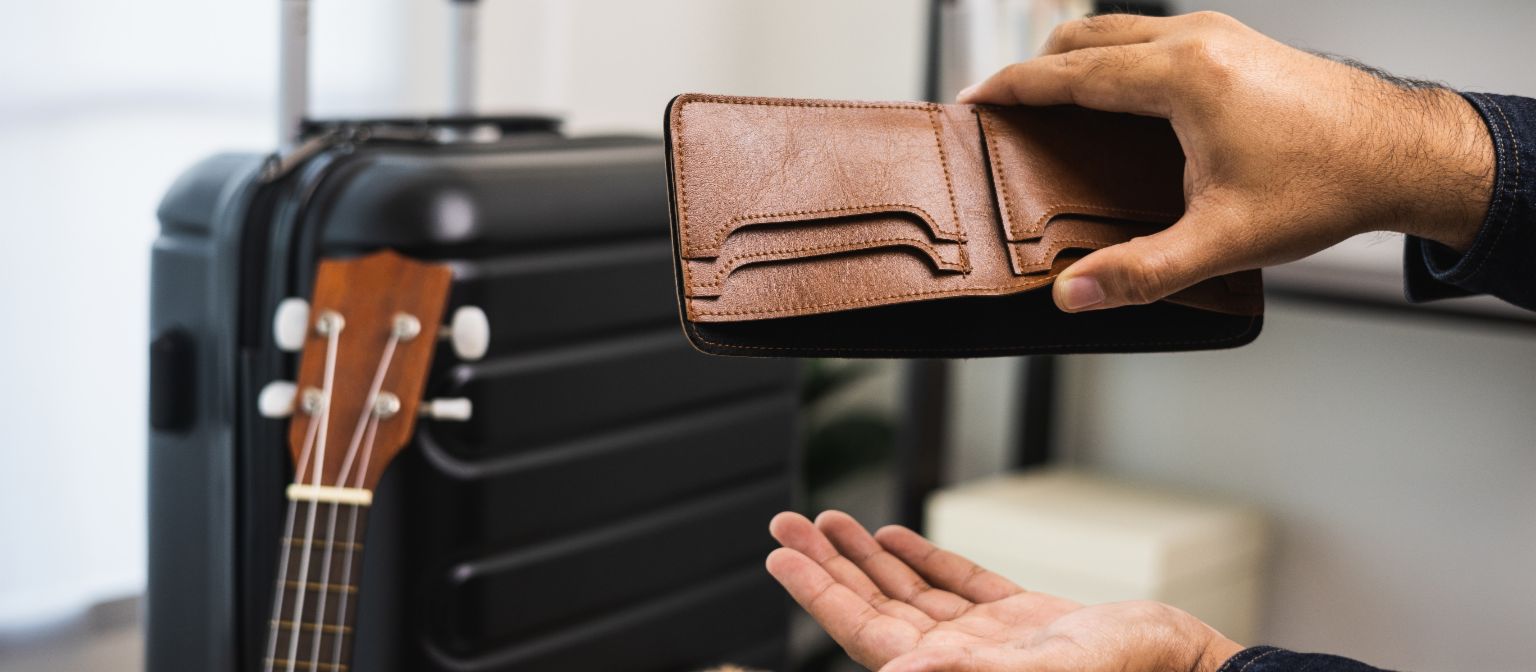
Every ninth Slovak with overdue debts is going into debt for a holiday. This is according to a survey by the debt collection company EOS KSI Slovakia conducted by the AKO agency. As many as 11.3 percent of respondents with overdue debts admitted that they borrowed specifically for a holiday.
This figure is higher than those who went into debt for purchasing electronics, healthcare expenses, or food – that is, expenses considered essential.
This is why the findings of the survey are concerning. “Holiday loans are often not motivated by necessity, but by a desire for a standard of living that a person cannot realistically afford,” states Peter Čanda, manager of EOS KSI Slovakia. “This is an alarming phenomenon of our time, supported by opportunities, advertising, and social networks, where a short-term experience is financed at the expense of future financial stability.”
Holiday Debt Depends on Age, Gender, and Region
The results of the EOS KSI Slovakia survey show which groups of the Slovak population are more prone to going into debt for holidays:
- Men significantly more than women – men are twice as likely as women.
- Young people aged 18 to 33 – about one-fifth of this age group goes into debt for holidays. Paradoxically, the second most at-risk group is people aged 50 to 65, although their debt is most often related to housing.
- There are significant regional differences – the highest number of people in debt for holidays is in the Žilina region.
The Middle Class in a Holiday Trap, but Single Parents Are the Most Vulnerable
Households with a net monthly income of €1,401 to €1,800 are the most indebted due to holidays, with about 3 out of 10 respondents borrowing in this way, and households with an income of €1,801 to €2,500, where 4 out of 10 respondents with overdue debts did so.
Households with a monthly income of up to €1,000 or over €2,501 do not borrow for holidays at all, according to the survey data. This suggests that the greatest pressure for a “holiday at any cost” is felt by the economically vulnerable middle class.
Regarding household types, for single parents with one child, borrowing for holidays is the most common cause of overdue debt. This group also struggles most frequently with overdue debts. And 64% of single parents feel stress or anxiety related to their debts.
Why Holiday Debt Is Bad and Advice on What to Do
Interestingly, people with both basic and higher education show a similar level of indebtedness due to holidays. This suggests that financial decisions are not always influenced by the level of education, but rather by insufficient awareness of responsible financial management.
The aforementioned social pressure also plays a role. “Those who try to keep up with their surroundings are the most likely to go into debt. In such cases, a holiday becomes a matter of status,” explains Peter Dvornák, CEO of EOS KSI Slovakia, adding that this is a so-called bad debt.
A short-term break can have long-term financial consequences. While the experience of a holiday lasts only a few days, repaying a loan can stretch over months, often even years – frequently with high interest rates.
“Resting on holiday is important for mental health, but its financing should not jeopardize the financial stability of the individual or the entire household. It is much wiser to choose a cheaper alternative, plan ahead, and create a financial reserve than to borrow and later face the risk of debt or debt traps,” advises Peter Dvornák, CEO of EOS KSI Slovakia, in conclusion.
Contact for media
Phone: +421 907 821016
Explore more from EOS