After losing their regular income, 47.7% of respondents could maintain their standard of living for no more than three months, while only 18.7% could do so for more than six months. People approaching retirement and low-income households are the most vulnerable.
This is according to a recent survey by debt collection company EOS KSI Slovensko. Respondents were asked: “If you lost your regular personal income today, how long would you be able to maintain your standard of living?” A total of 19.8% selected less than one month, and a further 27.9% selected one to three months.
This is a significant warning sign. A safe financial cushion is generally considered to cover around six months of expenses; however, according to the survey, fewer than one in five people could manage this.
“It is therefore worth building up savings gradually. Even regularly setting aside small amounts will, over time, create a cushion for at least the first few weeks without income. And if someone already knows they will be unable to make repayments, the most important thing is to contact the creditor early. At that stage, a solution can certainly be agreed, such as adjusting the instalments or temporarily deferring them, depending on the person’s financial situation.” says Peter Dvornák, Managing Director of EOS KSI Slovensko.
A decline in one’s standard of living does not in itself mean an inability to meet financial obligations. Rather, the survey highlights the limited scope people have to absorb a loss of income without changing their household budget.
“The impact can be particularly severe for people who do not live with a partner or in a larger family and have no short-term financial cover. This was also evident during the COVID-19 pandemic, when many people lost their income overnight,” says Václav Hřích, Managing Director of the AKO agency, which conducted the survey.
Groups most at risk
- people aged 50–65: 27% would be unable to maintain their standard of living even for one month
- households with an income of up to EUR 700: 41.8% would be unable to maintain their standard of living even for one month
- Who is better preparedpeople with primary education or without an upper-secondary school-leaving certificate: 27.5% would be unable to maintain their standard of living even for one month
Who is better prepared
- households with an income of EUR 3,501–5,000: 43.1% could maintain their standard of living for more than six months
- university graduates: 32.7% could maintain their standard of living for more than six months
“After paying essential expenses such as housing, energy and food, many people have very little left to save. However, I do not think this is because they are unwilling. Often, they have not planned for it or are unable to give up small non-essential expenses. If they then lose their income or face an unexpected repair or medical expense, which cannot be postponed, a serious problem begins,” says manager Peter Čanda of EOS KSI Slovensko.
How to find solutions
To mark World Savings Day on 31 October, experts recommend starting with an overview of your personal finances.
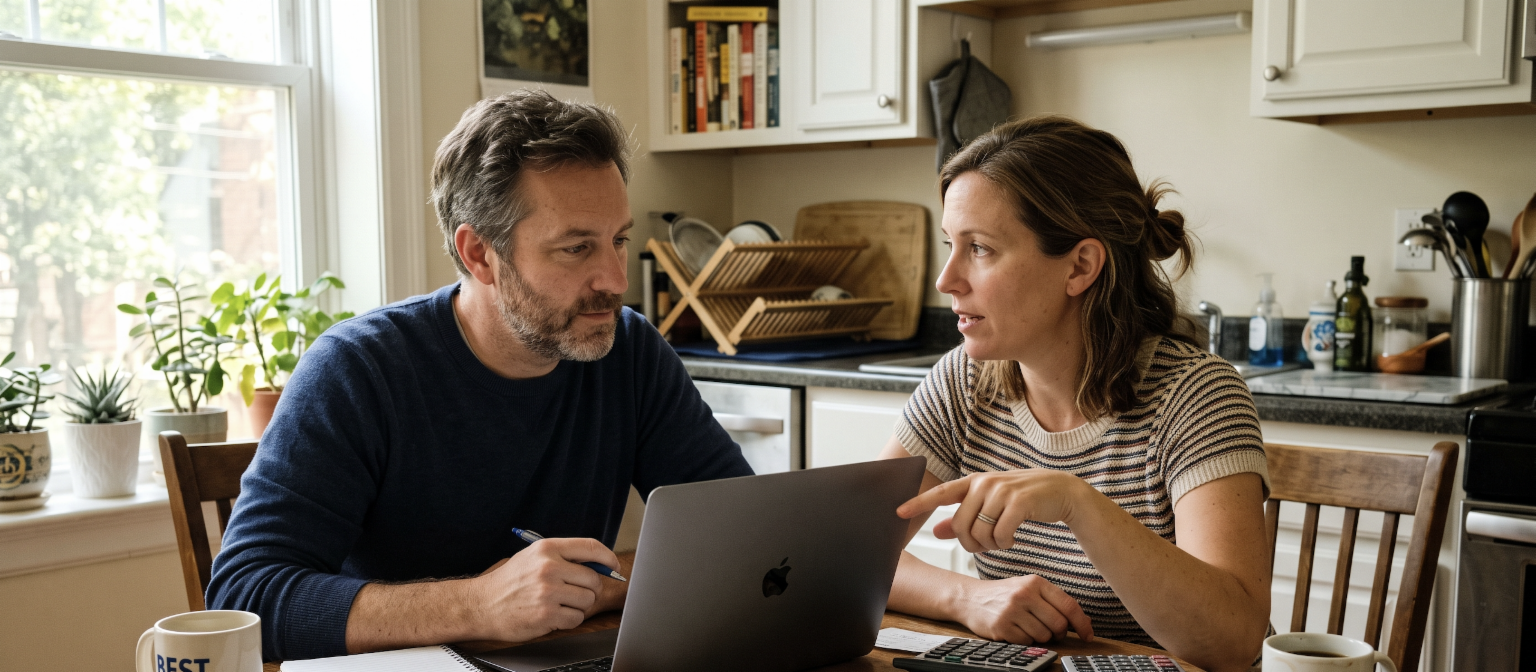
“We recommend listing your income and expenses so that you have a clear overview. There is no shame in discussing finances within the family or with your partner. The biggest problems begin when money is not discussed. It is better to plan expenses in advance than to deal with them in a crisis,” concludes Peter Dvornák, Managing Director of EOS KSI Slovensko.


Contact for press and media
Phone: +421 907 821016
Explore more from EOS